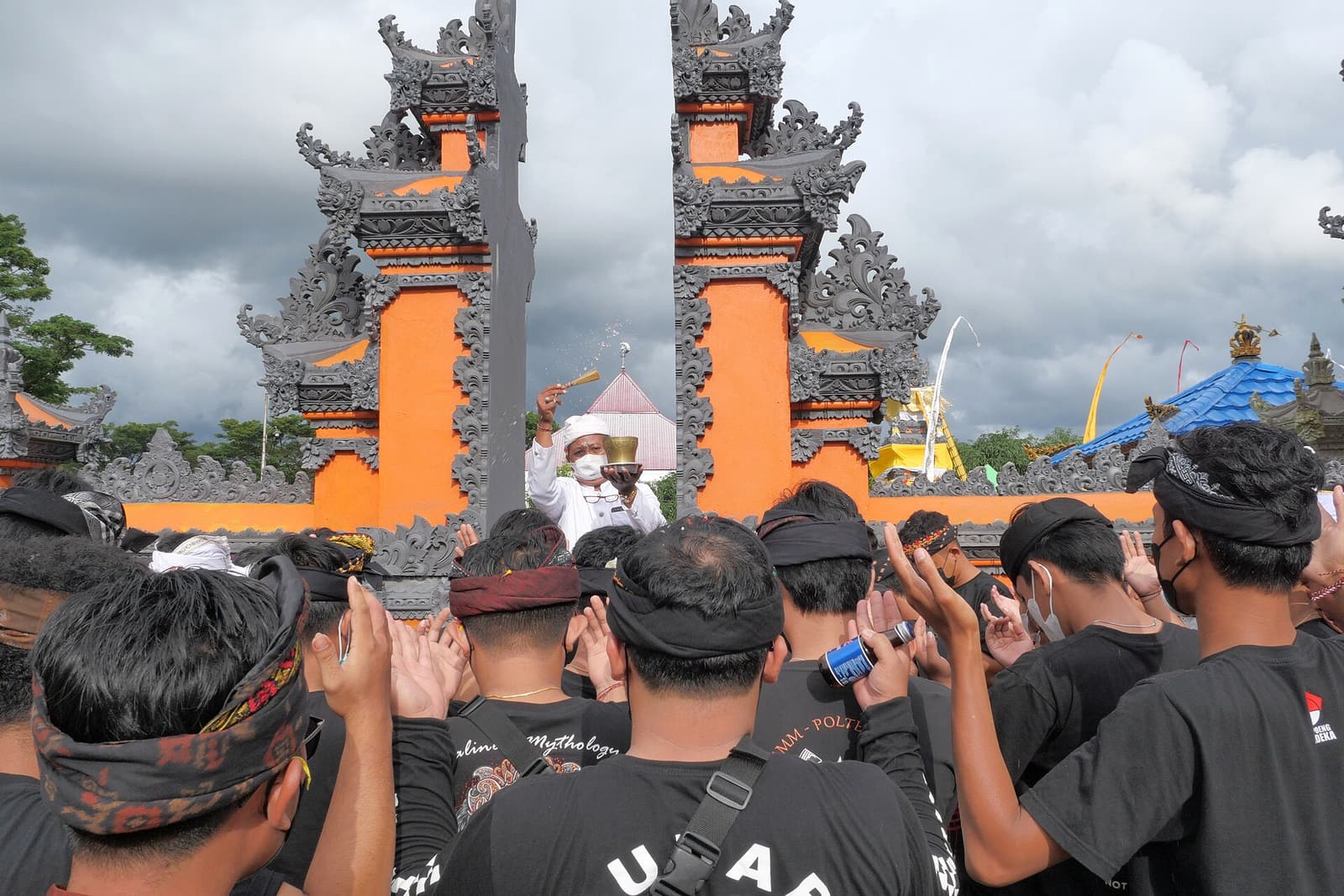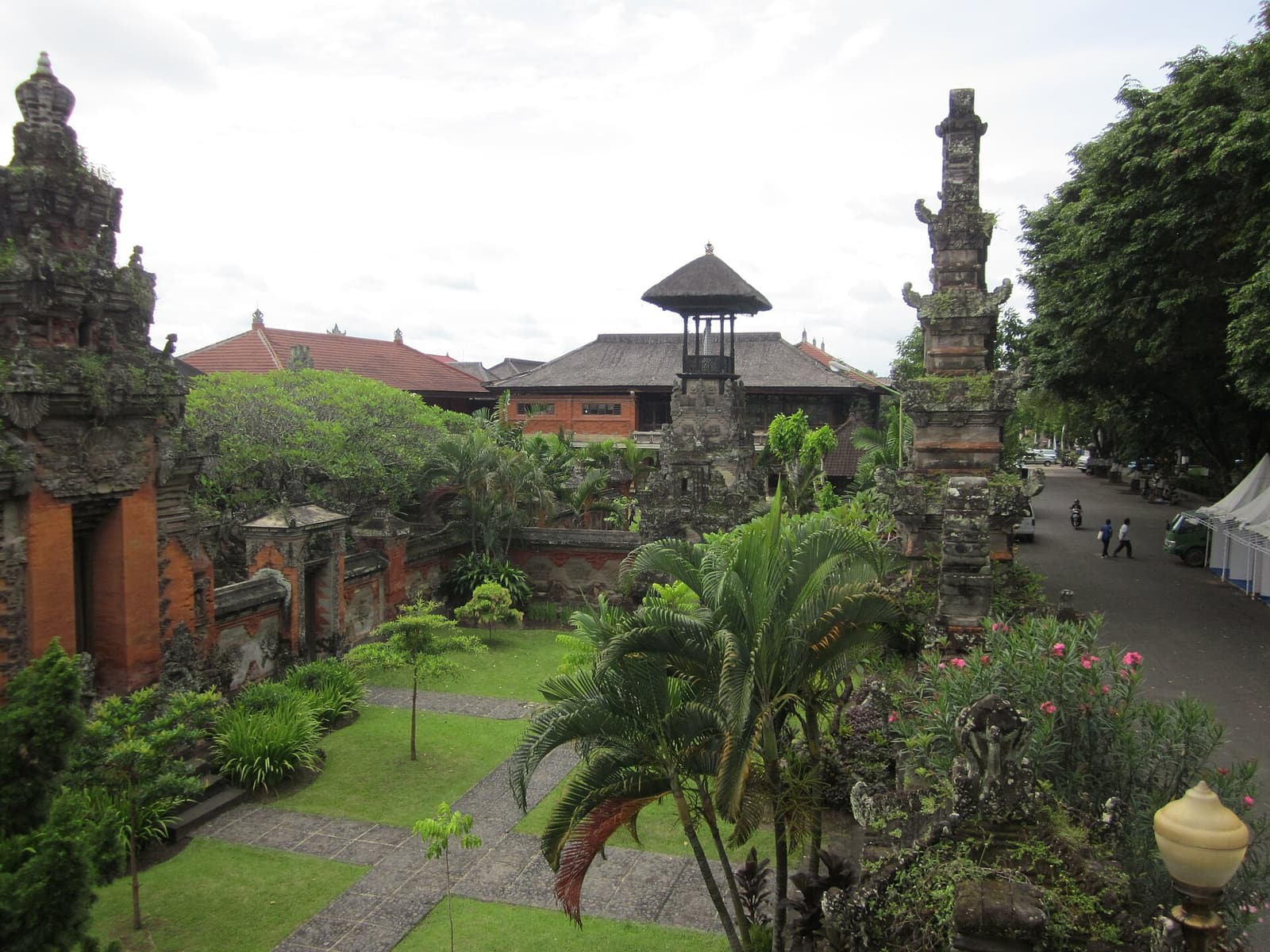
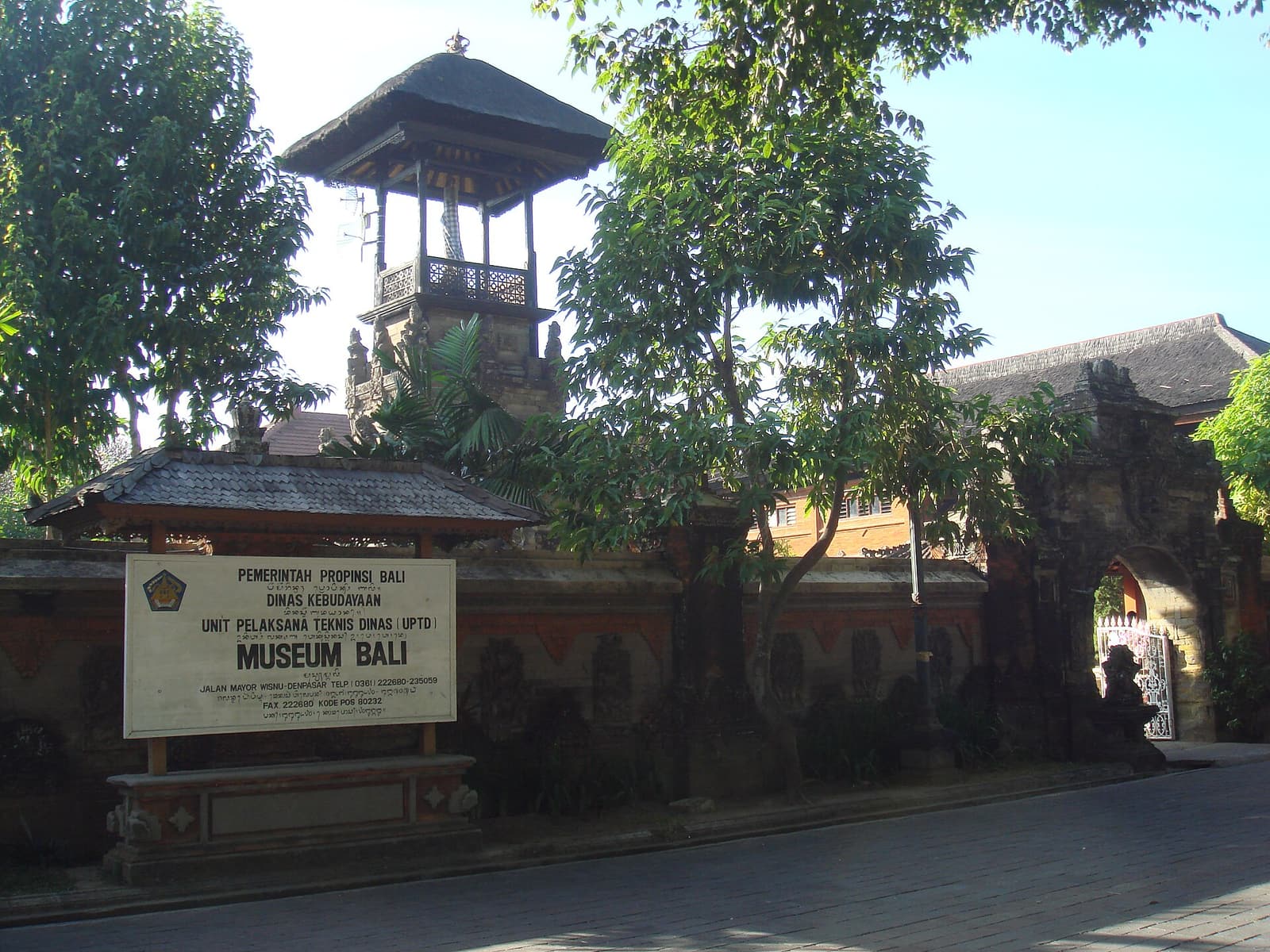
The Bali Museum (Museum Negeri Propinsi Bali) is the island’s oldest museum. It was conceived in 1910 by the Dutch resident and local rulers, worried that Balinese artefacts were disappearing abroad, and opened to the public in 1932. It stands on the east side of Puputan Square, next to Pura Jagatnatha.
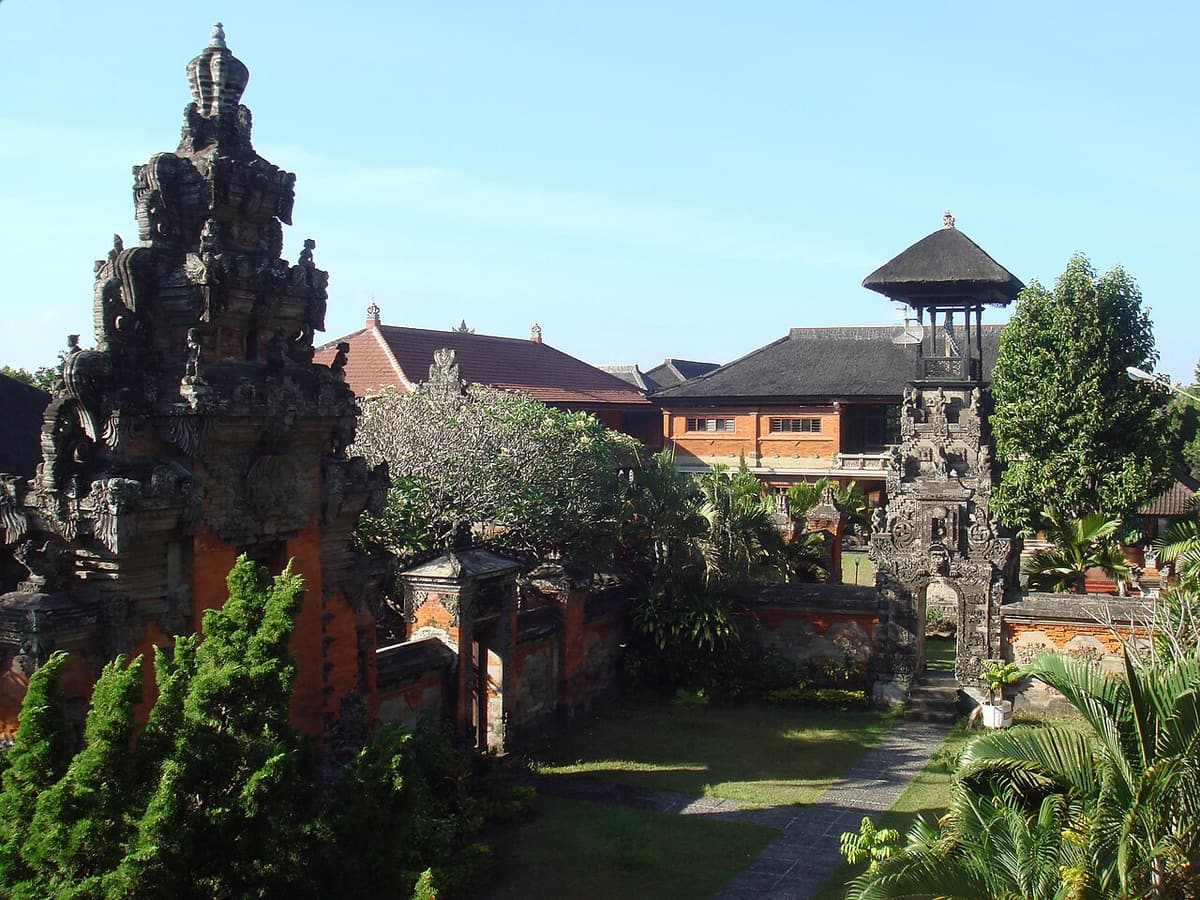
The museum is laid out like a Balinese palace: a sequence of walled courtyards entered through split gateways, with a tall kulkul (alarm-drum) tower at the corner. The main pavilions are each built in the style of a different part of the island — Tabanan, Karangasem and Buleleng — plus a two-storey eastern building. Inside are stone and bronze finds from Bali’s prehistory, ritual objects, masks, puppets, textiles and dance costumes.
Top things to do at Bali Museum
See the pavilions as architecture
Before you look at a single exhibit, walk the courtyards. The Tabanan pavilion is modelled on a southern palace hall, Karangasem on an eastern audience pavilion and Buleleng on northern Balinese style. Together they are a compact tour of the island’s building traditions.
Follow the rites of life
One of the most useful displays explains the cycle of Balinese ceremonies from birth through tooth-filing and marriage to cremation, with the objects used in each. It makes sense of much that you will see on the streets.
Find the masks and textiles
Look for the barong and rangda masks used in dance dramas, the shadow puppets, and the cloth collection, which includes endek, songket and the rare double-ikat geringsing of Tenganan.
Take a guided city tour
Labels are limited in places. A city tour that includes the museum adds the explanation, and usually pairs it with the temple next door and the market.
How to get to Bali Museum
- Address: Jalan Mayor Wisnu, on the eastern side of Puputan Square in central Denpasar.
- From Sanur: about 20–30 minutes by taxi or ride-hailing.
- From Kuta, Seminyak or the airport: roughly 30–45 minutes by car.
- On foot: 10–15 minutes from Badung Market along Jalan Gajah Mada.
Insider tips
- Opening hours are typically morning to mid-afternoon, with a shorter day on Fridays; it may close on public holidays. Check locally before making a special trip.
- There is a modest entrance fee, with a higher rate for foreign visitors (reported at around IDR 50,000 for adults — confirm at the gate).
- Unofficial “guides” sometimes approach visitors at the entrance. Agree a price beforehand if you want one, or decline politely.
- The pavilions are not air-conditioned. Go early while it is cool.
- Allow about an hour, or 90 minutes if you read everything.
Best tours & tickets for Bali Museum
These well-reviewed experiences are the easiest way to see Bali Museum:
City tour from €46 Denpasar: Museum, Traditional Market and Food Tasting Tour
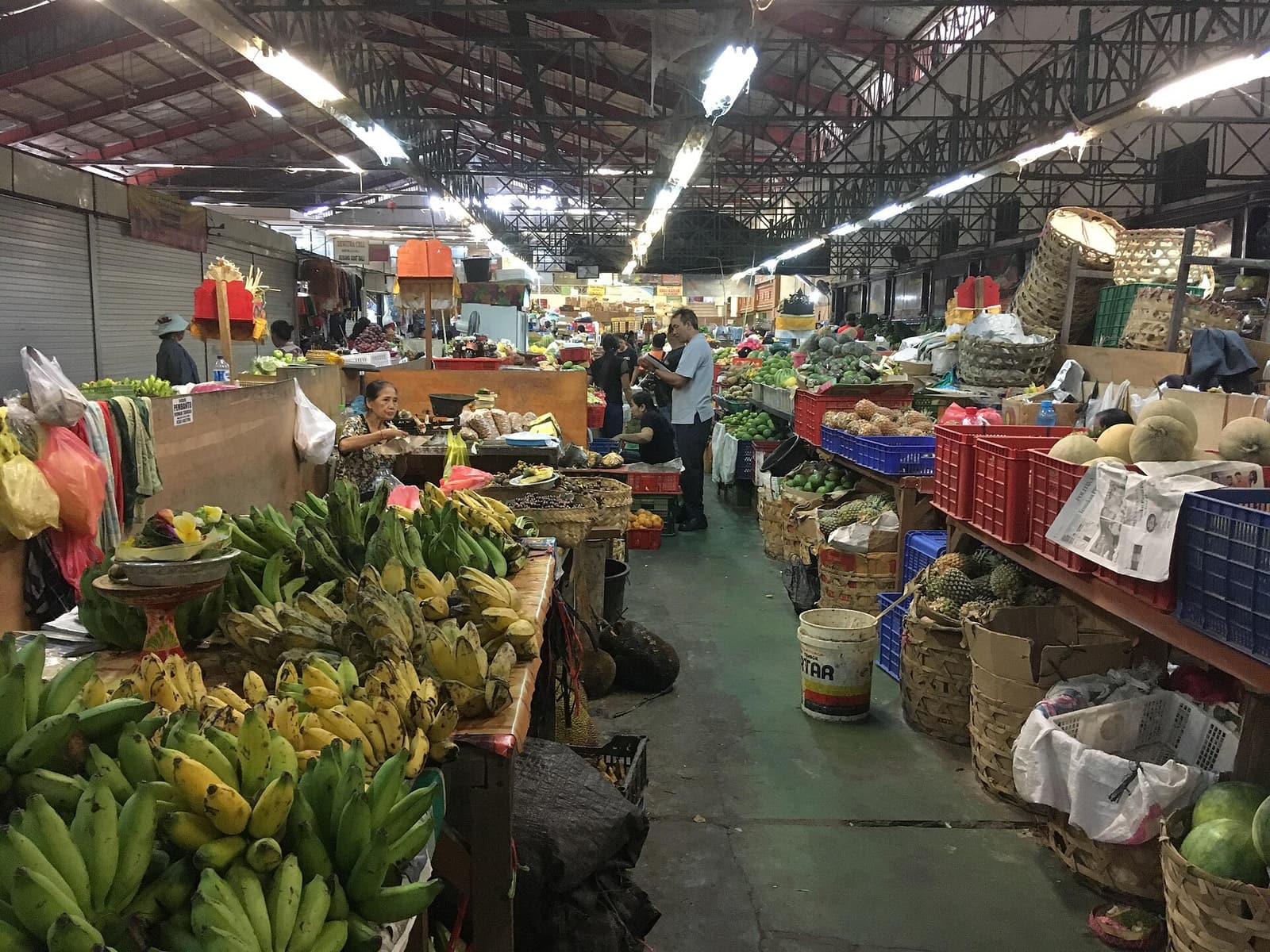
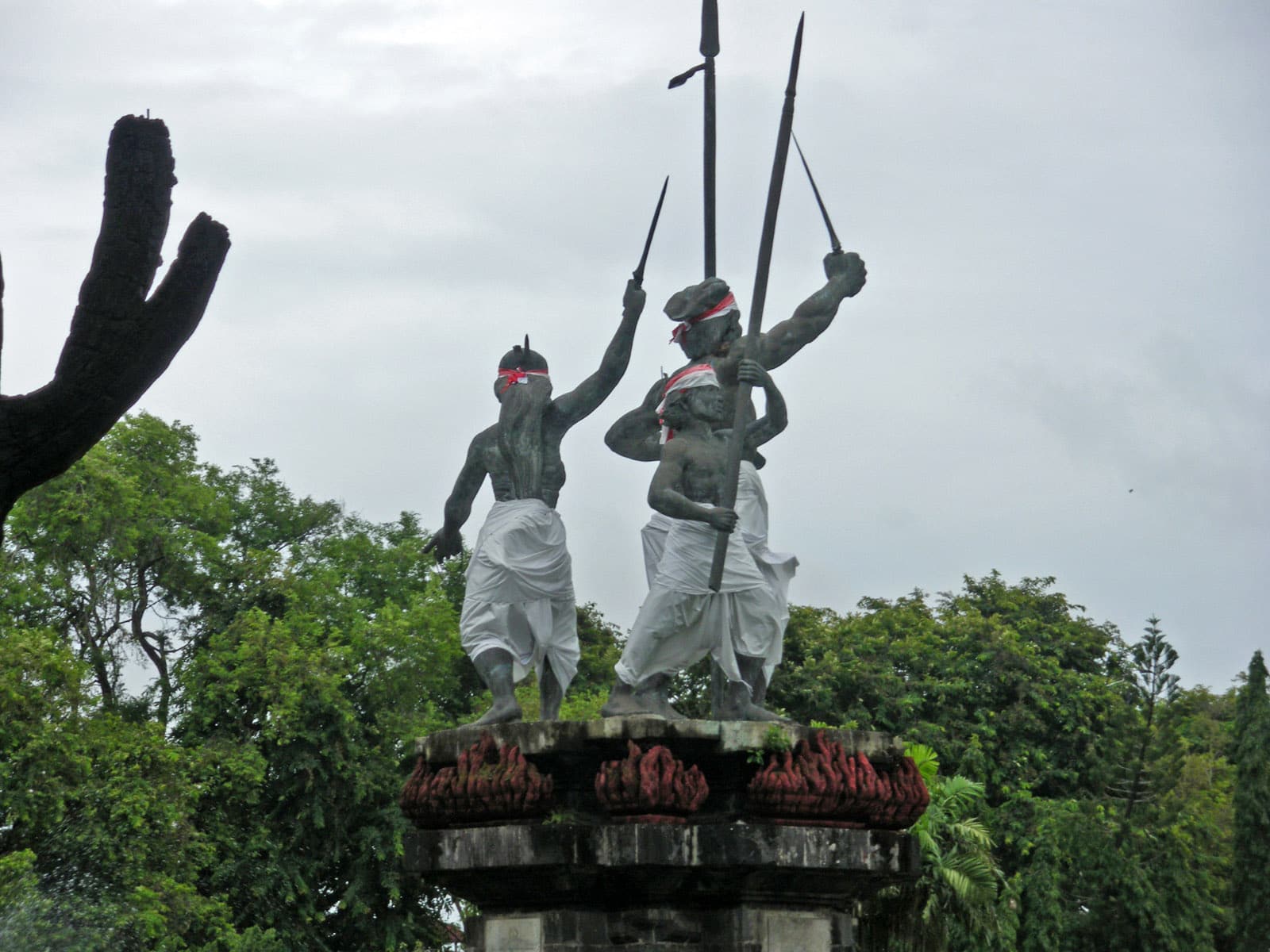
A half-day introduction to the old centre: the square where the 1906 puputan is commemorated, the Bali Museum’s palace-style pavilions and the market on the Badung River, with food stops between them. A good choice if you want history and food in one booking.
- Starts at Puputan Square in the city centre
- Visit to the Bali Museum and Kumbasari Market
- Local food tastings along the way
 City tour from €26
Bali: Denpasar City & Museum Highlight Tour with Ticket
A full-day sweep of Denpasar’s main sights with entrance tickets included. It is a newer listing with only a handful of reviews so far, but it is the one tour that links the old centre with Bajra Sandhi in a single day.
- Bali Museum, Pura Jagatnatha and Puputan Square
- The Bajra Sandhi monument in Renon
- Entrance tickets included
 Food & market walk from €40
Bali Heritage & Street Food Tour in Denpasar Badung Market
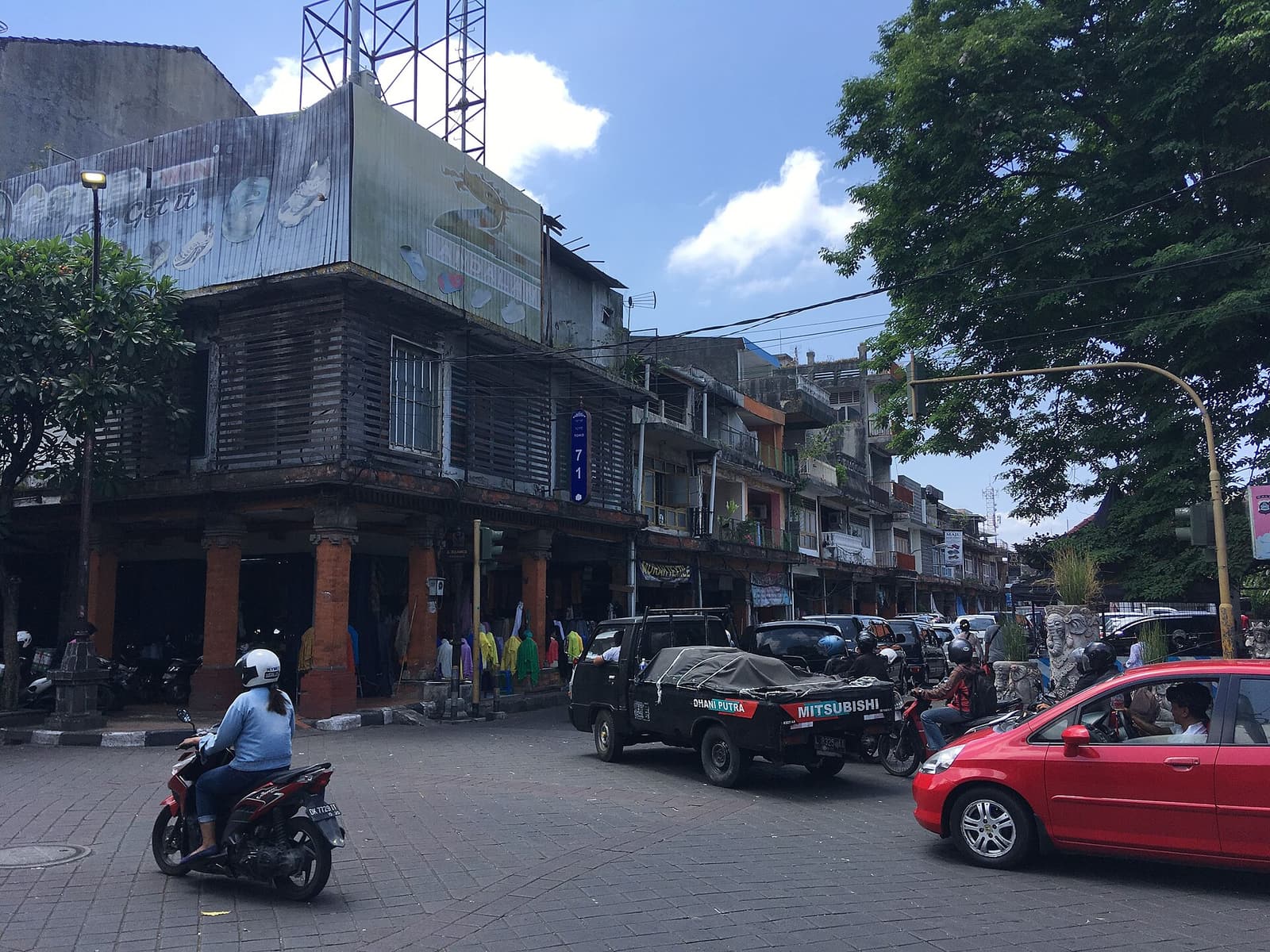
The most-reviewed tour that actually takes place inside Denpasar. A local guide leads you through the stalls of Badung Market and the old trading streets next to it, stopping to taste the things the city eats every day and explaining what you are looking at.
- Guided walk through Badung Market, Bali’s biggest traditional market
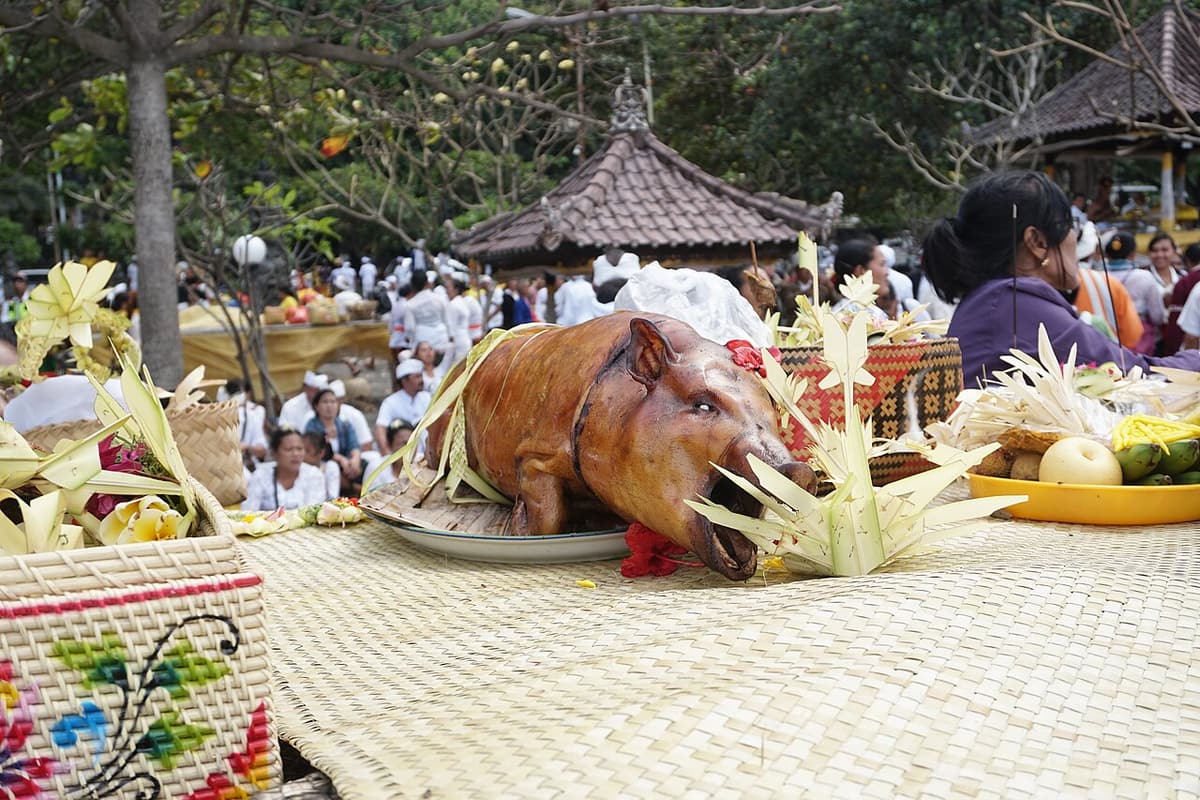
- Tastings of Balinese dishes such as babi guling and jaje Bali sweets
- Heritage streets around the market with a local guide